电话常常是这样打来的:父亲前天住进医院,医生说下周转康复中心;银行说,要一份授权书才能让女儿代办账户的事;家里另一份房产文件也压了半年没签。女儿在电话那头问:“今天下午能来医院一趟吗?我爸人在病房,出不来。”
公证员当然可以去。上门公证(mobile notary)本来就是为”人过不来”而存在的服务,医院、康复中心、养老院、临终关怀机构都是常去的地方。真正需要提前讲清楚的是另一件事:换了地点,不换标准。公证员到了病床边,要确认的东西和在办公室里一模一样;如果当天确认不了,他会把笔放下,而不是”先签了再说”。
这篇文章讲的就是病榻和养老院这个具体场景里会真实发生什么:公证员当场看什么、家属能做到哪一步、老人状态起伏时怎么安排,以及如果这次没办成,接下来还有哪些路。
上门公证换的是地点,不换标准
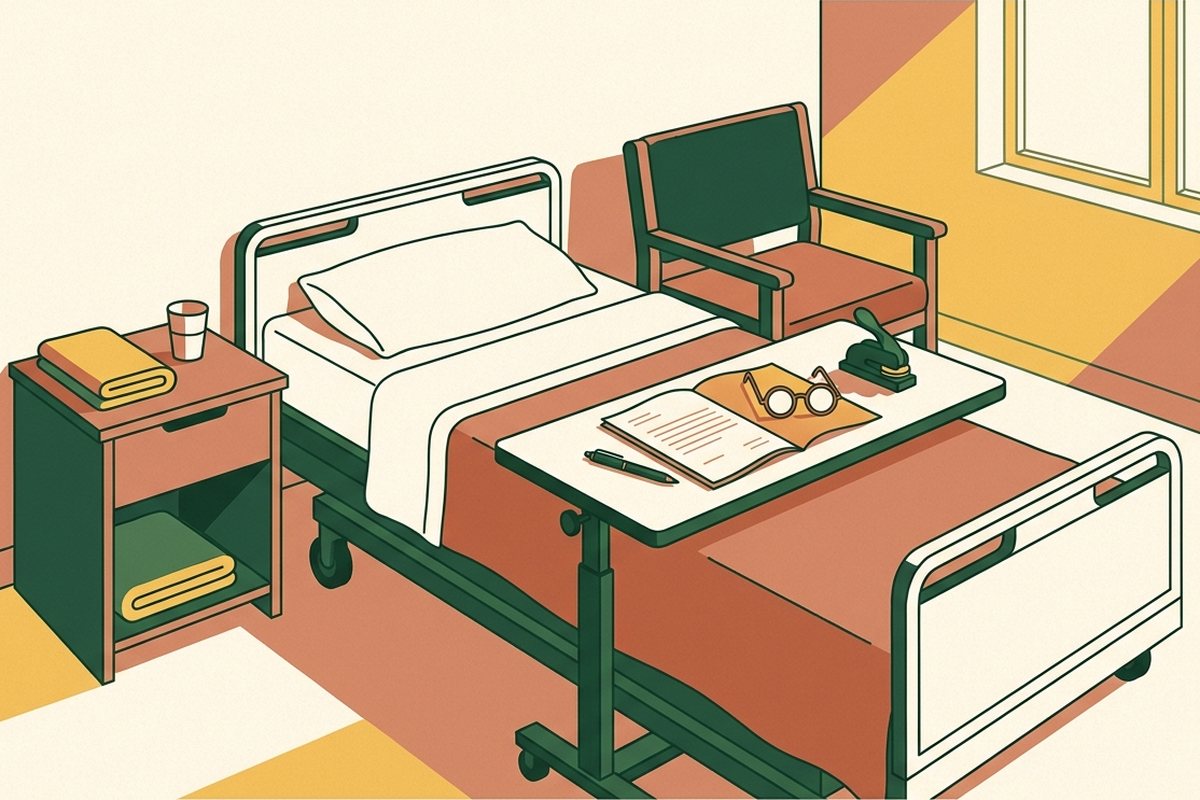
加州法律要求当事人本人到场(personally appear)。州务卿《公证员手册》第 23 页把这一条说得很直白:当事人必须实际出现在公证员面前(“the party must be physically present before the notary public”),视频影像或其他非实体形式的呈现,在现行加州法下不算到场。
正因为如此,上门才有意义——不是变通,恰恰是为了满足这一条。人躺在病床上去不了办公室,那就由公证员带着日志和印章过去,让”面对面”这件事在病房里发生。
除此之外,别的什么都没有放宽:
- 文件必须是完整的。手册第 19 页写明,遇到公证员凭经验判断为不完整、或在其表面明显不完整的文件,公证员必须拒绝公证;《政府法典》第 8205 条第 (a)(2) 项本身也写着,“A notary public may not accept any acknowledgment or proof of any instrument that is incomplete.”(公证员不得受理任何不完整文件的签名确认或代证。)病房里最常见的翻车原因,就是家属带来的表格还有几处空白,想着”回头再填”。
- 签名确认(acknowledgment)和宣誓书公证(jurat)的要求各不相同。尤其是 jurat,《政府法典》第 8202 条要求公证员当面向宣誓人主持宣誓或代誓(“a notary shall administer an oath or affirmation to the affiant”),并且”The affiant shall sign the document in the presence of the notary.”(宣誓人须在公证员面前签署该文件。)也就是说,jurat 不接受”我昨天已经签好了”。两者的区别我们在《签名认证还是宣誓书公证》里讲过。
- 收费还是那个法定上限。每个签名 $15,与在哪儿办无关;上门服务的差旅费是另外一笔、需要事先讲明的费用,我们在《加州公证员能收多少钱》里拆得更细。
一句话:上门公证不是一套”简化版”流程。它只是把同一套流程搬到了床边。
公证员当场要确认的三件事
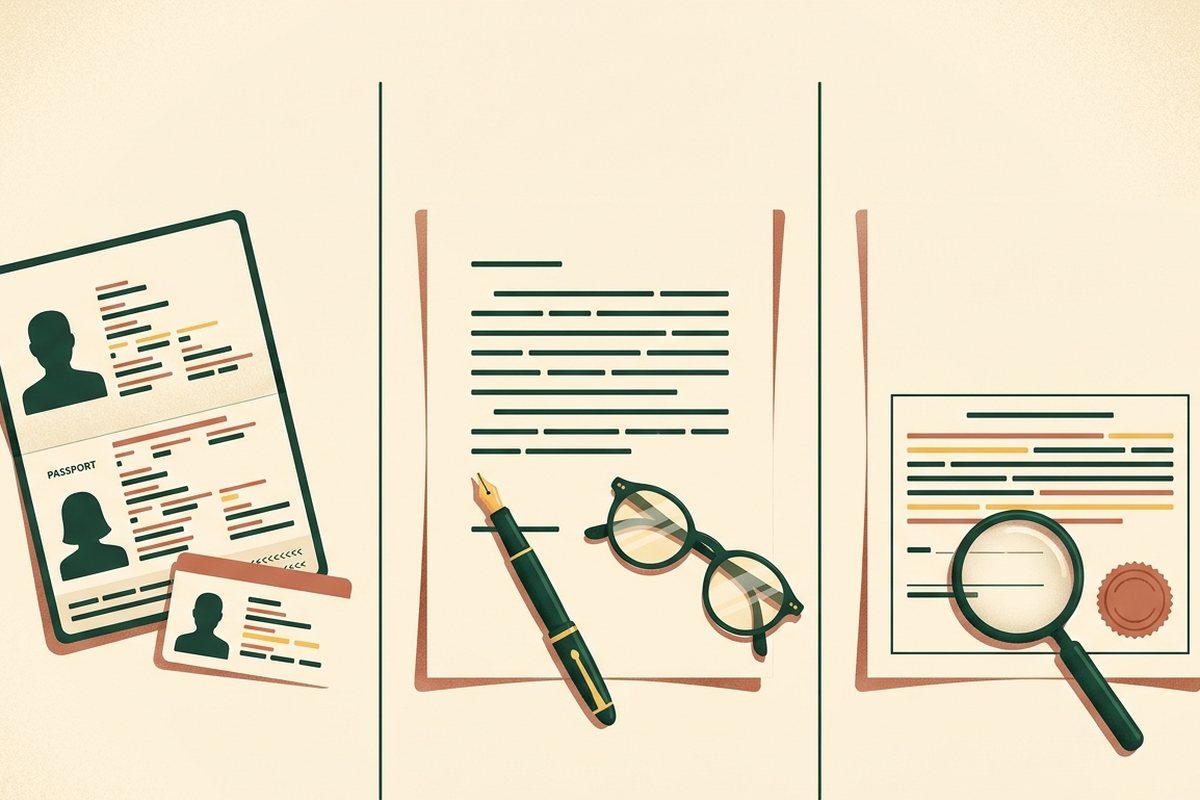
到了病床边,公证员要在几分钟里当场确认三件事。三条里任何一条不成立,这次公证就办不了。
第一件:这个人是谁。《加州民法典》第 1185 条第 (a) 款规定,除非办理人已取得充分证据(satisfactory evidence)证明作出确认的人正是文件所述并签署该文件之人,否则不得受理签名确认。实务上就是看证件:加州驾照或身份证、美国护照,或者符合第 (b)(4) 项条件的外国护照等——细目我们整理在《公证要带什么证件》。
住院场景有个特殊麻烦:证件常常不在身边,或者早就过期了。法律留了一条替代路径——可信见证人(credible witness)。第 (b)(1) 项允许由一名为公证员本人熟识、且认识当事人的见证人宣誓作证,但这名见证人必须能合理相信”it would be very difficult or impossible for that person to obtain another form of identification”(该当事人要取得其他形式的身份证明极为困难或不可能),并且——这一点最容易被忽略——该见证人”does not have a financial interest in the document being acknowledged and is not named in the document.”(对被确认的文件不具有财产利益,且未被该文件点名。)
换句话说,那位即将被授权、名字就写在委托书上的女儿,不能给自己的父亲当可信见证人。这条路要走通,得另找人。
第二件:他是不是自愿的。这份文件是不是他自己要签的,而不是别人替他决定的。公证员不需要、也无权评价文件内容好不好,但需要看到这个决定出自签署人本人。
第三件:他能不能自己完成那句确认。这是最容易被误解的一条。签名确认的法定证词写着,签署人向公证员”acknowledged to me that he/she/they executed the same”(向我确认该文件系其本人签署);宣誓书公证则要求当面宣誓。这两句话都得由签署人自己说出来——本人听懂问题、本人给出回应。手册第 23 页另有一条常被忽视的规定:公证时公证员必须能与当事人直接沟通,并且”An interpreter should not be used, as vital information could be lost in the translation.”(不应使用翻译人员,因为关键信息可能在转译中丢失);如果沟通不了,应当把当事人转介给会讲其语言的公证员。
老人说的是普通话或粤语、公证员只会英文——这不是”让女儿翻一下”就能过去的。正确的解法是找一位讲同一种语言的公证员。
这三条不成立时会发生什么,我们在《这些事公证员帮不了你》里已经从法律上讲过一遍:证词里写下明知不实的内容,本身就是州务卿吊销委任的法定事由之一。这里就不重复论证了。
公证员不做行为能力鉴定
家属最常问的一句是:“那你觉得我爸现在还有没有行为能力?”
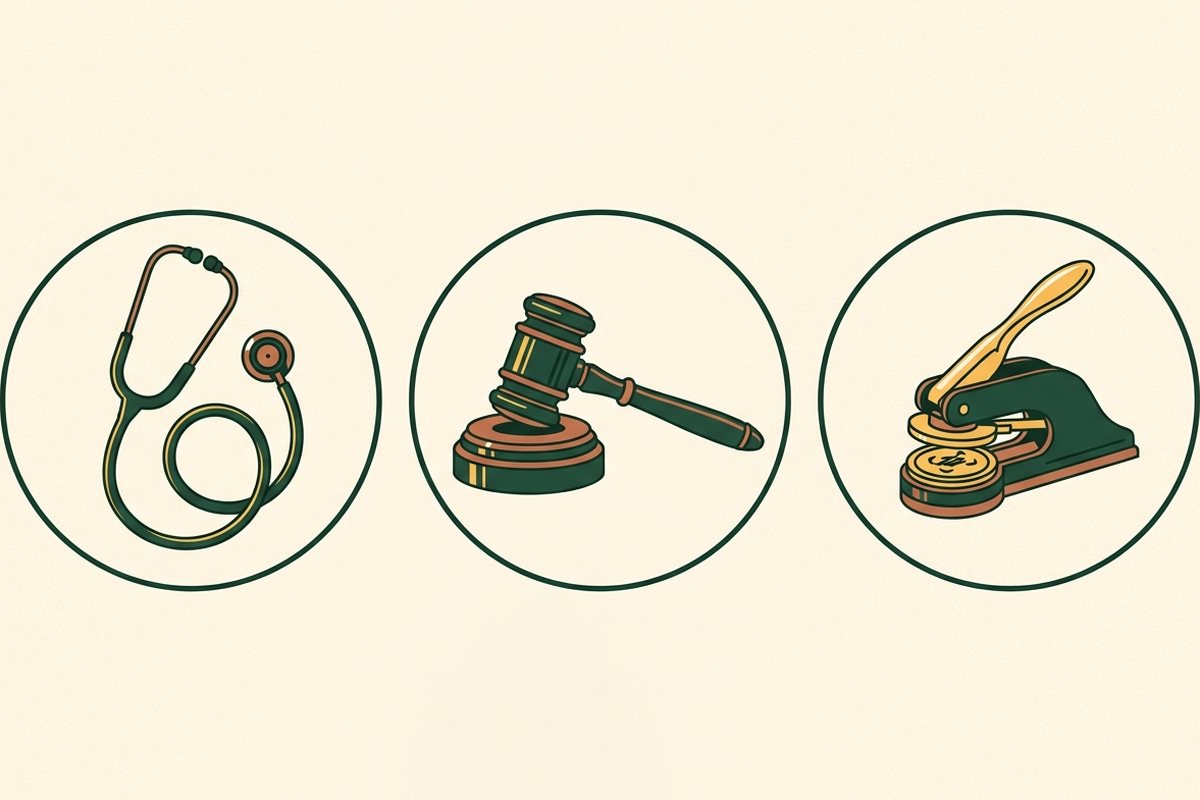
这个问题公证员答不了,而且不该答。他不是医生,也不是法官。要把这条界线讲透,得先看加州法律把”行为能力”这件事交给了谁。
起点是推定有能力。《遗嘱认证法典》第 810 条第 (a) 款规定:“there shall exist a rebuttable presumption affecting the burden of proof that all persons have the capacity to make decisions and to be responsible for their acts or decisions.”(存在一项影响举证责任的可推翻推定:所有人均有作出决定并对其行为或决定负责的能力。)第 (b) 款接着写道,“A person who has a mental or physical disorder may still be capable of contracting, conveying, marrying, making medical decisions, executing wills or trusts…”(患有精神或身体疾患的人,仍可能有能力订立合同、转让财产、结婚、作出医疗决定、订立遗嘱或信托。)
推翻这个推定,是法院的事。第 811 条列出了一套相当细的判断框架——警觉与注意、信息处理、思维过程、情绪调节等具体心智功能的缺损,还要证明缺损与所涉决定之间存在关联。这一条第 (d) 款特别写明,“The mere diagnosis of a mental or physical disorder shall not be sufficient in and of itself to support a determination that a person is of unsound mind…”(仅有精神或身体疾患的诊断,本身不足以支持某人心智不健全的认定。)而第 (e) 款把这套框架的适用范围划得很清楚:“This part applies only to the evidence that is presented to, and the findings that are made by, a court determining the capacity of a person to do a certain act or make a decision…”(本部分仅适用于向法院提交的证据以及法院就某人实施特定行为或作出决定之能力所作的认定。)
至于”有能力”的内容标准,第 812 条写的是:除法律另有规定外,一个人须能以言语或其他方式表达其决定,并在相关范围内理解并认识该决定所创设或影响的权利义务、可能的后果、以及重大风险、益处与合理的替代方案。
把这几条摆在一起,公证员的位置就清楚了:这套标准是写给法院的,不是写给公证员的。公证员在病房里回答的是一个小得多、也具体得多的问题——此刻,我能不能据实写下那段证词?这个人有没有向我表明身份、有没有向我确认这份文件是他签的、这个意思是不是他自己表达出来的。
由此引出两句需要说明白的话:
- 公证员当天暂停,不等于认定老人”没有行为能力”。他只是说,就这一次、这个时点,他没有办法据实完成证词。换个时间、换个状态,结论完全可能不同。
- 公证员盖了章,也不等于认定老人”有行为能力”。每一份公证证词顶上都印着那句法定声明:公证员”verifies only the identity of the individual who signed the document”(仅核验签署该文件之人的身份),而不核验该文件的真实性、准确性或有效性。文件本身日后会不会被质疑,是另一个层面的问题。
所以,如果你需要的是一份关于”我父亲是否具备签署这份文件的能力”的正式判断,那要去找医生(由主治医师出具评估),或者走法院程序——不是找公证员。
家属可以陪,但不能代
家属在场是很正常的,通常也是必要的——是你约的时间、是你带的证件、是你知道该找哪位护士把床摇起来。公证员不会请你出去。
可以做的事:安排时间和场地、事先与护理站或前台打招呼、把文件按顺序摊开、扶老人坐正、递笔、必要时把纸挪近一点。
不能做的事只有一类,但很关键——不能替他表达意思:
- 不能代答。公证员问”这份文件是您签的吗”,答案必须来自老人本人。“他知道的""他同意的""他就是这个意思”——这些话一出口,公证员就得停下来重新问一遍。
- 不能替签。哪怕手把手扶着写也不行。签不动字有专门的处理办法(见下一节),但那也不是”替他签”。
- 不能在旁提示。尤其是那种给出答案的提问:“爸,这是给我办房子的授权书,你同意的对不对?“这句话把答案塞进了问题里,公证员没法据此判断老人到底理解了什么。
- 不能替他翻译。前面说过,手册第 23 页明确写着不应使用翻译人员。这条不是针对家属的不信任,而是防止关键信息在转述中走样。
如果公证员察觉签署人是在被引导、被催促,或者答话明显是在顺着旁人的话说,他会停下来——通常是请家属稍微退开、把问题重新问一遍;如果情况没有改善,这次公证就到此为止。
这里还有一条硬规定值得点出来:向公证员施压、要求其作出不当公证行为的人,《政府法典》第 8225 条规定构成轻罪(misdemeanor)——“Any person who solicits, coerces, or in any manner influences a notary public to perform an improper notarial act knowing that act to be an improper notarial act…shall be guilty of a misdemeanor.”(任何人明知某公证行为不当,仍怂恿、胁迫或以任何方式影响公证员实施该行为,构成轻罪。)这一条约束的是提出要求的一方。绝大多数家属当然没有这个意思,只是着急;但”你就通融一下”这句话在法律上不是一个中性的请求。
还有一层与家属有关的限制,是关于谁能站在这个位置上的。如果文件让某位家属直接受益,那位家属尤其应当退到一边:前面说过的可信见证人不能在文件中被点名、不能有财产利益;公证员本人若在该交易中有直接利害关系,同样不得办理——这两条我们在《这些事公证员帮不了你》里讲过,此处不再展开。实务上更稳妥的做法是:让与文件无关的第三方在场,把”是老人自己要签”这件事留下更干净的记录。
用了药、刚做完手术、时清时糊涂
先把话说在前面:这一节不提供任何医学标准,因为公证员根本不掌握这种标准。吃了什么药、剂量多少、术后多久意识才稳定——这些问题该问医生和护士,不该问拿印章的人。
公证员能做的只有一件事:就眼前这几分钟,把该问的问清楚。他问的都是与这次公证直接相关的事——请您说一下您的全名、您手上这份文件是做什么用的、是谁请您签的、您现在愿意签吗。这不是认知测验,公证员也无权做那种测验;这些问题只是让签署人有机会用自己的话,把那句法律要求他亲口说出的确认说出来。听到了,公证就能往下走;听不到,就走不下去。
几种常见情形,实务上通常这样处理:
- 刚打过止痛针、刚从麻醉里醒来、当天做了检查很疲惫。多数公证员会建议等一等,改到状态更好的时段,而不是趁着人还迷糊赶紧签完。
- 时清时糊涂。这在老年患者里很常见,不同时段差别可以很大。可行的办法是把预约排在家属观察到状态最好的那个时段——很多家庭的经验是清晨或午睡后。加州法律其实也承认”状态会波动”这件事:第 811 条第 (c) 款说,法院在判断时可以考虑受损期间的频率、严重程度和持续时间。但请注意,那是法院在事后综合判断;公证员只能就他在场的那一次作出判断,不能替谁作长期结论。
- 能听懂但说不出。如果当事人能以点头、书写或其他方式清楚表达自己的意思,公证员会尽力沟通;但沟通的对象必须是本人,不能由家属”转述”他的意思。
- 完全无法回应。这时公证员会收起文件。这不是对老人的评价,只是这次公证的条件不具备。
再强调一遍前面那句话:暂停不等于文件被否决。它意味着”今天不行”,而不是”这份文件作废了”。
签不动字、来不了公证员那里:法律留的两条窄路
有两种情形在病房里特别常见,加州法律确实各留了一条路——但两条都很窄,而且都只解决”身体上做不到”,都解决不了”人不清醒”。
一、握不住笔:签名可以用押记(signature by mark)。《加州民法典》第 14 条规定,“signature or subscription includes mark, when the person cannot write”(当事人不能书写时,签名或署名包括押记),其名字由旁人写在押记旁并署上该人自己的名字作为见证;并且该押记若要被公证或作为宣誓文件的签名,必须”witnessed by two persons who must subscribe their own names as witnesses thereto”(由两人见证,且该两人须签署自己的姓名作为见证人)。手册第 16–17 页把操作细节写得更具体:押记人仍须由公证员依第 1185 条核验身份,且须在公证日志上留下押记。
要点在于:这条路解决的是”手写不了字”,不是”人不能理解”。押记人本人依然要到场、依然要自己作出那句确认。
二、人到不了公证员面前:代证签署(proof of execution by a subscribing witness)。手册第 14–15 页给的示例恰好就是医院场景:Paul 住院无法到公证员面前,于是请老友 Sue 到医院当代证见证人(subscribing witness),Sue 亲眼看着 Paul 签字(或听 Paul 亲口确认那是他签的),再由 Sue 带着文件、另带一名可信见证人去见公证员,由公证员为 Sue 主持宣誓并出具代证证书。
听起来像是解法,但排除清单非常长。《民法典》第 1195 条第 (b)(1) 项规定:授权委托书(power of attorney)、grant deed、抵押(mortgage)、信托契约(deed of trust)、quitclaim deed、担保协议,以及”any instrument affecting real property is not permitted”(任何影响不动产的文书均不得使用代证),第 (b)(2) 项还排除了所有依法须在公证日志上按捺指纹的文书。
而病房里最常要办的那份文件,恰恰就是授权委托书。所以在多数家庭真正着急的场景里,这条路是走不通的——知道它存在,是为了在有人告诉你”找个人代签就行”时,你能听出这话不对。
如果这次没办成,接下来怎么走
先看能不能改期。这是最容易被跳过、也最常奏效的一条。和护理团队打听一下老人一天里状态最好的时段,把预约挪过去;避开刚用药、刚做完检查或治疗的时间。很多”办不成”的案子,第二次就顺利了。
其次是找医生。如果反复几次都不行,或者你需要一份正式的评估,那是主治医师的工作,不是公证员的。医生的评估也会成为后续法律程序里的材料。
再往后是法院。当一个人确实已经无法自己作决定,而手上又没有事先立好的授权文件时,加州的正式途径是监护宣告(conservatorship)。加州法院自助中心的说明是:“A conservatorship is when a judge appoints another person to act or make decisions for the person who needs help.”(监护宣告是指由法官指定他人代需要帮助之人行事或作出决定。)同一页还写着,“A judge can only appoint a conservator if other less restrictive options won’t work.”(只有在限制性更小的其他方案行不通时,法官才能指定监护人。)自助中心另有一页列出了这些”限制性更小的方案”,并提醒申请人必须证明它们不适用于自己的情况。法院程序耗时、要开庭、要有人监督,但它是这条路的终点,不是可以绕过的一步。
最重要的其实是往前看:趁清醒时把文件做好。上面所有的麻烦,本质上都源于同一件事——需要文件的时候,签文件的人已经签不了了。加州法院自助中心那一页列举的工具(授权委托书、预立医疗指示等),每一件都只能在当事人还有能力时设立。其中一句很值得抄下来:预立医疗指示(AHCD)“must be signed by the person with a disability and either notarized or signed by two witnesses who saw the individual sign or acknowledge the AHCD”(须由本人签署,并且或经公证、或有两名见证人亲见其签署或确认)——公证只是其中一个选项,具体要求以文件本身和接收单位为准。
如果你的父母还硬朗,这一步现在就可以做;如果家里有文件是要寄回国内使用的,《给国内亲友的授权委托书》里有另一套需要提前确认的要求。
上门那天,这样准备最省事
- 先问接收单位。银行、券商、房产过户公司、国内的受理机关——先问清楚他们到底要哪种公证(签名认证还是宣誓书公证)、要不要指定格式的证词。这一问省掉的返工最多。
- 提前问清机构规定。养老院和医院的探视时段、门禁、是否需要登记、ICU 或隔离病房有无限制、有没有可以借用的会议室或安静角落。有些机构还要求提前通知护理主管。
- 证件准备好。在有效期内(部分证件签发未满五年也可用),姓名与文件上的写法要对得上,细目见《公证要带什么证件》。证件不在身边时,提前安排一位与文件无关的可信见证人,别指望临时找人。
- 文件填完整,不留空白。日期、地址、金额、页码全部到位;需要哪种公证证词,事先与出具文件的一方确认。
- 约在状态最好的时段。并且给自己留出余地——不要把公证安排在文件必须送达的前一天。
- 需要押记签名的,提前找两位见证人。同样,与文件有利害关系的人不适合担任。
- 如实告知公证员当事人的状况。是刚做完手术、还是有认知障碍病史、当天大概几点最清醒——这些信息帮助公证员选对时间、准备好合适的问法,而不是让他”提前有成见”。
最后一句:一位在条件不具备时选择停下来的公证员,是在替这份文件挡掉日后被推翻的风险。病榻边签下的文件,恰恰是最容易在多年以后被人拿出来质疑的那一类。那一刻的”通融”,换来的往往是更大的麻烦。
参考来源与查证记录14 条
以下来源均于引用当日打开核对;条目中的”查证于”日期为实际核对日期,可点击的日期指向互联网档案馆(Wayback Machine)当时的存档快照。
- 加州州务卿《公证员手册》(Notary Public Handbook),2026 年 1 月版 — 州务卿官网 PDF 全文。支持句:第 14–15 页”Proof of Execution by a Subscribing Witness”节,含住院当事人 Paul 委托代证见证人 Sue 的完整示例,并载明”A proof of execution by a subscribing witness cannot be used in conjunction with any power of attorney, quitclaim deed, grant deed…, mortgage, deed of trust, security agreement, any instrument affecting real property”;第 16–17 页”Signature by Mark”节:“The person signing the document by mark must be identified by the notary public by satisfactory evidence. (Civil Code section 1185)“与”The signer’s mark must be witnessed by two persons who must subscribe their own names as witnesses on the document.”;第 19 页”Notarization of Incomplete Documents”节:“the notary public must refuse to notarize the document”;第 23 页”Foreign Language”节:“a notary public must be able to communicate with the customer for the signer either to swear to or affirm the contents of the affidavit or to acknowledge the execution of the document. An interpreter should not be used, as vital information could be lost in the translation.”;同页”Electronic Notarizations”节:“the party must be physically present before the notary public. A video image or other form of non-physical representation is not a personal appearance in front of a notary public under California State law.” — 查证于 2026-08-29
- 加州《民法典》第 1185 条(签名确认的身份核验前提与可信见证人) — leginfo 法条原文。支持句:第 (a) 款”The acknowledgment of an instrument shall not be taken unless the officer taking it has satisfactory evidence that the person making the acknowledgment is the individual who is described in and who executed the instrument.”;第 (b)(1)(A) 项要求可信见证人合理相信”it would be very difficult or impossible for that person to obtain another form of identification”,且该见证人”does not have a financial interest in the document being acknowledged and is not named in the document” — 查证于 2026-08-29
- 加州《民法典》第 1189 条(签名确认证词的法定格式与框内声明) — leginfo 法条原文。支持句:第 (a)(3) 项法定格式中”…and acknowledged to me that he/she/they executed the same in his/her/their authorized capacity(ies)…”;第 (a)(1) 项要求的框内声明”A notary public or other officer completing this certificate verifies only the identity of the individual who signed the document to which this certificate is attached, and not the truthfulness, accuracy, or validity of that document.” — 查证于 2026-08-29
- 加州《民法典》第 1195 条(代证签署的适用范围与排除清单) — leginfo 法条原文。支持句:第 (b)(1) 项”Proof of the execution of a power of attorney, grant deed, mortgage, deed of trust, quitclaim deed, security agreement, or any instrument affecting real property is not permitted pursuant to Section 27287 of the Government Code…”;第 (b)(2) 项”Proof of the execution for any instrument requiring a notary public to obtain a thumbprint from the party signing the document in the notary public’s journal is not permitted.” — 查证于 2026-08-29(互联网档案馆无该页快照,故此处为纯文本日期)
- 加州《民法典》第 14 条(押记视为签名,须两名见证人) — leginfo 法条原文。支持句:第 (a) 款”…signature or subscription includes mark, when the person cannot write, his name being written near it, by a person who writes his own name as a witness; provided, that when a signature is by mark it must in order that the same may be acknowledged or may serve as the signature to any sworn statement be witnessed by two persons who must subscribe their own names as witnesses thereto.” — 查证于 2026-08-29
- 加州《政府法典》第 8202 条(jurat:当面宣誓、当面签署) — leginfo 法条原文。支持句:第 (a) 款”When executing a jurat, a notary shall administer an oath or affirmation to the affiant and shall determine, from satisfactory evidence as described in Section 1185 of the Civil Code, that the affiant is the person executing the document. The affiant shall sign the document in the presence of the notary.” — 查证于 2026-08-29
- 加州《政府法典》第 8205 条(公证员职责;不完整文件不得受理) — leginfo 法条原文。支持句:第 (a)(2) 项末句”A notary public may not accept any acknowledgment or proof of any instrument that is incomplete.” — 查证于 2026-08-29
- 加州《政府法典》第 8214.1 条(拒绝委任、中止或吊销的法定事由) — leginfo 法条原文。支持句:第 (l) 款”Execution of any certificate as a notary public containing a statement known to the notary public to be false.” — 查证于 2026-08-29
- 加州《政府法典》第 8225 条(怂恿、胁迫公证员作出不当公证行为构成轻罪) — leginfo 法条原文。支持句:第 (a) 款”Any person who solicits, coerces, or in any manner influences a notary public to perform an improper notarial act knowing that act to be an improper notarial act, including any act required of a notary public under Section 8206, shall be guilty of a misdemeanor.” — 查证于 2026-08-29(互联网档案馆无该页快照,故此处为纯文本日期)
- 加州《遗嘱认证法典》第 810 条(推定所有人具有行为能力) — leginfo 法条原文。支持句:第 (a) 款”For purposes of this part, there shall exist a rebuttable presumption affecting the burden of proof that all persons have the capacity to make decisions and to be responsible for their acts or decisions.”;第 (b) 款”A person who has a mental or physical disorder may still be capable of contracting, conveying, marrying, making medical decisions, executing wills or trusts, and performing other actions.” — 查证于 2026-08-29
- 加州《遗嘱认证法典》第 811 条(认定欠缺行为能力所需的证据,及其仅适用于法院) — leginfo 法条原文。支持句:第 (c) 款”the court may take into consideration the frequency, severity, and duration of periods of impairment.”;第 (d) 款”The mere diagnosis of a mental or physical disorder shall not be sufficient in and of itself to support a determination that a person is of unsound mind or lacks the capacity to do a certain act.”;第 (e) 款”This part applies only to the evidence that is presented to, and the findings that are made by, a court determining the capacity of a person to do a certain act or make a decision…” — 查证于 2026-08-29
- 加州《遗嘱认证法典》第 812 条(作出决定之能力的内容标准) — leginfo 法条原文。支持句:“…a person lacks the capacity to make a decision unless the person has the ability to communicate verbally, or by any other means, the decision, and to understand and appreciate, to the extent relevant, all of the following: (a) The rights, duties, and responsibilities created by, or affected by the decision. (b) The probable consequences for the decisionmaker… (c) The significant risks, benefits, and reasonable alternatives involved in the decision.” — 查证于 2026-08-29
- 加州法院自助中心(California Courts Self-Help Guide)监护宣告页(Conservatorships) — 官方页面。支持句:“A conservatorship is when a judge appoints another person to act or make decisions for the person who needs help.”;“A judge can only appoint a conservator if other less restrictive options won’t work.” — 查证于 2026-08-29
- 加州法院自助中心:帮助身心受损者的各种方案(Options to help someone with an impairment or disability) — 官方页面。支持句:“If you’re considering options through the courts, like a conservatorship, you must show that less restrictive options, like the ones listed below, would not work for your situation.”;关于预立医疗指示:“The directives must be signed by the person with a disability and either notarized or signed by two witnesses who saw the individual sign or acknowledge the AHCD.” — 查证于 2026-08-29